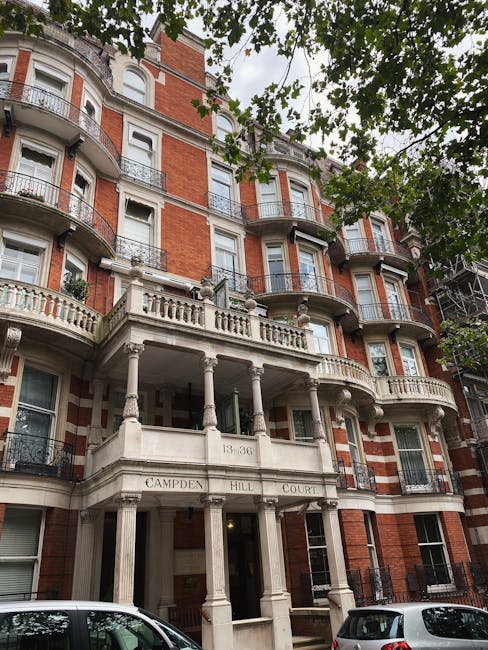
Avoid Hidden Removals Charges in South Kensington Moving
Moving in South Kensington can feel exciting right up until the quotes start arriving. Then the fine print appears, the little extras creep in, and suddenly a "straightforward" move is no longer straightforward at all. If you want to avoid hidden removals charges in South Kensington moving, the key is not just finding the cheapest number on a page. It is understanding what is included, what is likely to be added later, and how to ask the right questions before you book.
That matters even more in an area like South Kensington, where access can be awkward, parking can be tight, and building rules may be stricter than you expect. A good removal plan should protect your time, your belongings, and your budget. This guide breaks down the common traps, how removals pricing usually works, and the practical steps that help you spot surprise fees early. No fluff. Just the stuff that saves stress.
Table of Contents
- Why Avoid Hidden Removals Charges in South Kensington Moving Matters
- How Avoid Hidden Removals Charges in South Kensington Moving Works
- Key Benefits and Practical Advantages
- Who This Is For and When It Makes Sense
- Step-by-Step Guidance
- Expert Tips for Better Results
- Common Mistakes to Avoid
- Tools, Resources and Recommendations
- Law, Compliance, Standards, or Best Practice
- Options, Methods, or Comparison Table
- Case Study or Real-World Example
- Practical Checklist
- Conclusion
- Frequently Asked Questions
Why Avoid Hidden Removals Charges in South Kensington Moving Matters
Hidden removals charges are exactly what they sound like: costs that were not clearly explained upfront, or were tucked away in a quote under vague wording. The problem is not always dishonesty. Sometimes it is poor communication, sometimes an optimistic estimate, and sometimes a customer simply assumes that "all included" really means all included. It usually doesn't, not in full.
In South Kensington, there is an extra layer of complexity. Streets can be busy, access windows may be limited, and some properties have narrow stairwells, lifts that are not ideal for large furniture, or loading restrictions that make the job harder than a standard suburban move. When a mover realises the day will take longer than expected, the bill can grow. And that is the moment many people feel blindsided.
Let's face it, nobody enjoys reading a quote with a magnifying glass. But that small bit of attention before moving day can save a very annoying conversation later. The real goal is simple: know what you are paying for, know what could change the price, and know how those changes are charged.
When people search for ways to avoid surprise removals costs, they are usually trying to solve one or more of these problems:
- quotes that look low but miss essential services
- extra charges for stairs, long carries, or parking issues
- fees for packing materials or dismantling furniture
- unexpected waiting time charges
- late notice surcharges for access problems or delays
That is why pricing transparency matters so much. A clear quote gives you room to compare properly, rather than chasing the lowest number and hoping for the best. Hope is not a pricing strategy. Sorry, but it's true.
How Avoid Hidden Removals Charges in South Kensington Moving Works
A transparent removals process starts before the van arrives. In a well-run move, the company should assess your inventory, ask about property access, and explain how the job is priced. The best quotes are built around the actual conditions of your move, not a guess from a short phone call.
In practical terms, removals pricing often depends on a mix of factors:
- Volume of items - how much needs to be moved
- Distance - local, regional, or longer-distance travel
- Access conditions - stairs, lifts, narrow hallways, long walks from the van
- Parking and waiting time - whether the team can load and unload efficiently
- Packing services - whether boxes, wrapping, or specialist materials are included
- Special items - pianos, antiques, artwork, or awkward furniture
- Timing - weekends, peak moving periods, or short-notice bookings
Hidden charges usually enter the picture in one of three ways. First, the quote is based on assumptions that turn out to be wrong. Second, the company adds "extras" that were never clearly explained. Third, the customer agrees to a vague estimate without asking what is fixed and what is variable. That last one happens more often than people like to admit.
A sensible approach is to treat your quote like a contract, even if it is only an estimate at first. Ask which parts are fixed, which parts can change, and what would trigger a revised price. If a mover cannot explain this clearly, that is already useful information.
You can also protect yourself by confirming the service scope in writing. For example, if you need dismantling, reassembly, or specific handling for fragile items, make sure that is spelled out. If the move includes a tricky entrance or a controlled parking arrangement, mention it early. A lot of pricing surprises come from missing context, not from the actual lifting.
Key Benefits and Practical Advantages
The main advantage of avoiding hidden removals charges is obvious: you keep control of your budget. But there are a few less obvious benefits too, and they matter just as much.
- Better quote comparisons - you can compare like for like, not apples with oranges
- Less moving-day stress - fewer awkward discussions over extra fees
- More realistic planning - you can budget for packing, access, and any extra help
- Faster decision-making - clear pricing makes it easier to choose a provider confidently
- Lower risk of delays - when the team knows what to expect, the job usually runs more smoothly
There is also a trust benefit. A mover that is transparent about pricing is usually more transparent in other areas too, such as insurance, handling procedures, and service boundaries. That does not guarantee perfection, of course. But it is a good sign.
For families, professionals, and anyone moving under time pressure, this matters a lot. A move already comes with enough variables: keys, cleaning, school runs, office deadlines, and maybe a slightly emotional farewell to a flat that has seen better days. Knowing the removals bill is under control takes a proper weight off your shoulders.
Expert summary: The safest way to avoid hidden removals charges is to insist on a quote that clearly states what is included, what may change, and which access or packing conditions could affect the final price.
Who This Is For and When It Makes Sense
This approach is useful for almost anyone moving in South Kensington, but it is especially important if your move is likely to involve complications. To be fair, most moves involve at least one complication, even if it is only a parking bay that disappears five minutes before the van arrives.
You will benefit most from pricing clarity if you are:
- moving from a flat with stairs or no lift
- relocating from a mansion block or period property
- handling valuable, fragile, or bulky furniture
- moving at short notice
- booking a full packing and removals service
- trying to keep a firm control on costs
- moving into or out of a property with access restrictions
It also makes sense if you are comparing multiple companies and the quotes feel oddly inconsistent. One company might look cheaper because it excludes things the others include. Another might seem pricier because it has bundled in services that would otherwise appear later as add-ons. That's the tricky bit.
If you are a landlord, tenant, homeowner, or business relocating equipment, the same principle applies: clarity first, price second. Not the other way round.
Step-by-Step Guidance
If you want a practical process, use the steps below. They are simple, but they work.
- List everything that needs moving. Include furniture, boxes, fragile items, appliances, and anything awkward or unusually heavy.
- Note access details. Stair count, lift size, parking distance, loading restrictions, and any one-way access rules all matter.
- Ask for a detailed written quote. Make sure it states labour, vehicle use, packing, dismantling, and any likely extras.
- Clarify what is not included. This is where hidden charges often live.
- Check the pricing model. Is it hourly, fixed fee, or estimate-based? Each one works differently.
- Confirm timing and waiting rules. Ask what happens if keys are delayed or access is blocked.
- Review insurance and liability terms. Don't assume everything is covered in the same way.
- Keep a written record. Email is fine. A quick paper trail can prevent a lot of confusion later.
A useful habit is to phrase your questions very directly. For example: "Is this price fixed for the access details I've given?" or "What extra cost would apply if the lift is out of service?" Straight questions tend to get straight answers. Usually.
If packing is involved, ask whether materials are included or charged separately. Boxes, tape, wardrobe cartons, and wrapping can all change the final bill. The same applies to dismantling beds or reconnecting furniture. A quote that ignores those jobs is not really complete.
Expert Tips for Better Results
Over time, the biggest money-saving habit is not haggling harder. It is quoting smarter. That distinction matters. Here are some practical tips that make a real difference.
- Do a room-by-room inventory. A vague description of "two bedrooms and some furniture" is not enough for an accurate quote.
- Photograph awkward items. A photo of a bulky sofa, a marble table, or a large wardrobe can help the mover judge the job properly.
- Mention building rules early. If your property has concierge restrictions, lift booking windows, or limited loading access, say so upfront.
- Ask for the charge structure in plain English. If a company cannot explain it simply, be cautious.
- Compare the whole service, not just the headline price. A cheap quote with lots of exclusions can become expensive fast.
- Leave a small buffer in your budget. Even with a careful plan, moving day can throw a curveball.
One small but useful trick: when speaking to a mover, repeat the key conditions back to them. "So the quote includes stairs, two movers, and dismantling the bed, correct?" It sounds obvious, but it gives both sides a chance to catch misunderstandings before they matter.
And if you're the type who hates feeling pushed into a decision, fair enough. Get two or three comparable quotes, then choose the one that feels most transparent. Not necessarily the flashiest one. The one that makes the least fuss when you ask careful questions.
Common Mistakes to Avoid
Most hidden removals charges come from a small handful of mistakes. None of them are unusual, and none of them make you foolish. They are just easy to make when you are busy.
- Booking from the lowest number alone. The cheapest quote is often the one with the most exclusions.
- Not declaring access problems. If the team arrives to a fourth-floor walk-up and expected a lift, the price may change.
- Assuming packing materials are included. They often are not.
- Skipping the written quote. Verbal promises are shaky ground.
- Forgetting to ask about waiting time. Delays happen, especially in London.
- Leaving specialist items off the list. Pianos, mirrors, and antiques need separate handling in many cases.
- Not checking insurance details. The level of cover can vary, and the policy terms matter.
A very common one is the "we'll sort that on the day" approach. That sounds flexible. It usually isn't. What it really means is that the final bill could move around once the pressure is on and the van is outside. That is not the moment you want to negotiate from scratch.
Another mistake is comparing a fixed quote with a rough estimate as if they were the same thing. They're not. A fixed quote may cost a little more upfront but give you far better certainty. For many moves, that is worth it.
Tools, Resources and Recommendations
You do not need fancy software to avoid surprise moving charges. A few basic tools are enough, and you probably already have most of them.
- Inventory list - a simple spreadsheet or notes app is fine
- Photos of furniture and access points - useful for accurate quotes
- Written quote comparison sheet - list what each mover includes and excludes
- Building access notes - lift size, stair count, parking distance, and key collection details
- Move-day contact list - names and phone numbers for the removals team, building contact, and anyone helping you
If you are dealing with valuables or large volumes, it can also help to review the company's insurance and safety information before confirming the booking. That kind of reading is not thrilling, granted, but it can answer a lot of practical questions.
For pricing transparency, a good starting point is the company's pricing and quotes page, where you can often get a better feel for how the service is structured and what details are likely to matter. It is also worth checking the terms and conditions so you understand cancellation, access, and liability wording before you agree to anything.
If you want to speak to someone directly about your move, the contact page is the obvious place to start. A short conversation can clear up more than ten back-and-forth emails sometimes. Funny how that works.
Law, Compliance, Standards, or Best Practice
Hidden removals charges are not just a customer service issue; they are also a fair trading and contract clarity issue. While specific legal rights can depend on the exact circumstances of the booking, the general expectation in the UK is that consumers should be given clear, accurate information before they commit. That includes pricing, service scope, and any significant conditions that could affect the final cost.
Best practice in the removals industry is straightforward: be open about what is included, do not bury important exclusions, and avoid vague language that could mislead a customer. If a price depends on access conditions or time on site, that should be clearly explained. It should not be a surprise hidden in the footer of a quote, or announced when the sofa is halfway down the stairs. Bit late then.
From a practical point of view, it also helps to document everything. Written quotes, email confirmations, and a clear inventory all reduce the chance of disagreement later. If something does go wrong, a clean paper trail is worth its weight in moving boxes.
For customers, good practice means reading documents carefully, asking specific questions, and not being shy about checking the details twice. That is not being difficult. That is being sensible.
Options, Methods, or Comparison Table
Not every moving quote works the same way. Understanding the difference can save you a lot of confusion.
| Pricing method | How it usually works | Pros | Watch-outs |
|---|---|---|---|
| Fixed quote | One agreed price based on the details provided | Good certainty, easier budgeting | Must be accurate; extras may still apply if details change |
| Hourly rate | You pay for time spent on the job | Can suit simple, quick moves | Delays, access issues, or traffic can push costs up |
| Estimate | A likely price that may change after the move is assessed more fully | Flexible, often quick to provide | Higher risk of final bill increases |
| Quoted service with add-ons | Core price plus optional or conditional extras | Can be tailored to your needs | You must understand exactly what is extra |
For most people trying to avoid hidden removals charges, a clear fixed quote is easiest to manage, provided the information given is accurate. If you have a highly complex move, a detailed estimate may still be fine, but only if the mover explains the possible variations in plain language.
Case Study or Real-World Example
Here is a realistic example. A couple moving from a third-floor flat in South Kensington booked what looked like a competitive removals quote. The price seemed fair, and the mover was friendly enough on the phone. But the quote did not spell out waiting time, and nobody mentioned that the building's lift was reserved for a specific booking slot.
On moving day, the lift booking ran late by forty minutes. The team had to wait, then carry several items down stairs when the lift window was shortened. By the time the move was finished, the final bill had grown enough to cause real frustration. Not because the work was unreasonable, but because the conditions were never fully accounted for before the job began.
What would have helped?
- a written quote that listed waiting-time rules
- clear mention of lift booking restrictions
- an upfront discussion about stair carries
- a quick check of the building's access arrangements the day before
That kind of issue is avoidable. Not always perfectly, but a lot more avoidable than people think. And that is the point. The more specific the conversation before moving day, the fewer surprises afterwards.
Practical Checklist
Use this checklist before you confirm a mover. It is short, but it catches many of the usual traps.
- Have I listed every room and item that needs moving?
- Have I mentioned stairs, lifts, parking, and loading restrictions?
- Do I know whether packing materials are included?
- Is dismantling and reassembly included or charged separately?
- Have I asked what happens if access is delayed?
- Do I have a written quote, not just a verbal estimate?
- Have I checked insurance and safety information?
- Do I understand the terms and conditions?
- Have I compared quotes on the same basis?
- Do I know who to contact if anything changes on the day?
If you can tick those off, you are in a much stronger position. Simple as that.
Conclusion
To avoid hidden removals charges in South Kensington moving, the best strategy is clear communication before the job begins. Be specific about access, ask what is included, request a written quote, and do not compare prices without checking the small details. The cheapest option is not always the best value, and the best value is rarely the quote with the vaguest wording.
South Kensington moves can be perfectly manageable when the pricing is transparent and the expectations are aligned. That extra bit of care up front turns moving day from a guessing game into a plan. And honestly, that is worth a lot.
Get a free quote today and see how much you can save.
If you want to learn more about the company behind the service, you can also read the about us page. It is a simple way to get a feel for the people you are dealing with before you hand over the keys and the boxes.
Frequently Asked Questions
What are hidden removals charges?
They are extra costs that were not clearly explained before booking, such as fees for stairs, waiting time, packing materials, or access problems.
How can I compare removals quotes fairly?
Compare them on the same basis: labour, vehicle use, packing, access assumptions, insurance, and any extras. A low headline price can be misleading if key services are missing.
Should I choose a fixed quote or an hourly rate?
For many South Kensington moves, a fixed quote offers better certainty. An hourly rate can work for very simple jobs, but delays or difficult access can make it more expensive than expected.
What details should I give to get an accurate quote?
Share a full inventory, property access details, parking information, stair count, lift size, and any fragile or unusually heavy items.
Do movers charge extra for stairs?
Some do, some include stairs in the base price, and some only charge extra if the access is especially difficult. Always ask before you book.
Are packing materials usually included?
Not always. Boxes, tape, wrapping, and wardrobe cartons may be included, charged separately, or offered as optional add-ons.
What should I ask before moving day to avoid surprise costs?
Ask what is included, what is excluded, whether waiting time is charged, and what happens if access is blocked or delayed.
Is it worth checking terms and conditions?
Yes. That is where you will often find important details about cancellations, delays, liability, and service scope.
What if the lift is out of service on moving day?
That can affect the final price if the quote assumed lift access. Tell the mover in advance if there is any chance of this happening, and ask how it would be handled.
Can I reduce removals costs without cutting corners?
Absolutely. Declutter before the move, pack early if you are able, provide accurate information, and compare quotes carefully. Those steps can reduce cost without creating risk.
Why is South Kensington more likely to have access-related charges?
Because local properties often have tighter access, limited parking, controlled loading areas, and period buildings with stairs or smaller lifts. Those conditions can increase labour time and complexity.
What is the smartest first step if I suspect a quote is too vague?
Ask the mover to restate exactly what is included in writing. If they cannot do that clearly, it may be safer to keep looking.