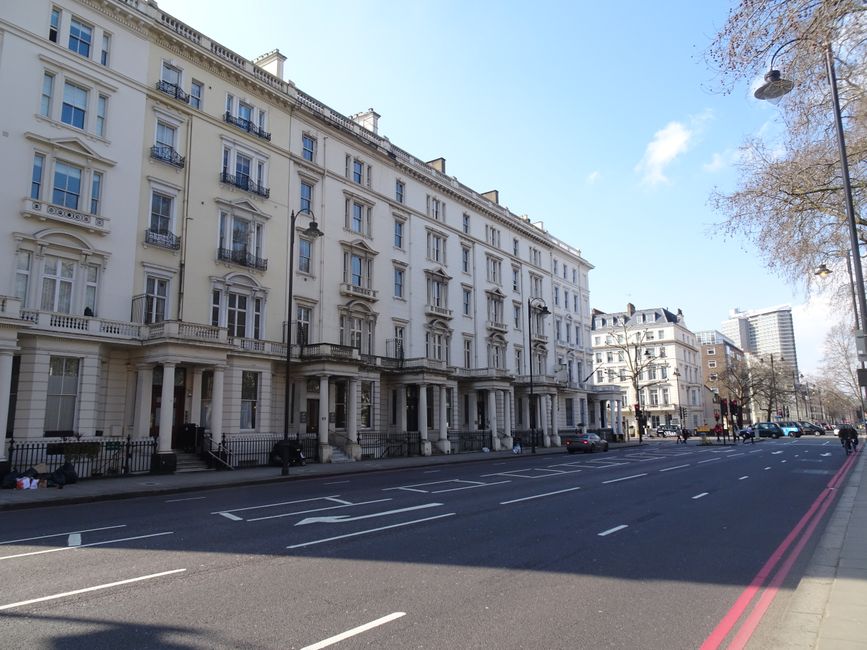
Exhibition Road student removals tips for Imperial College
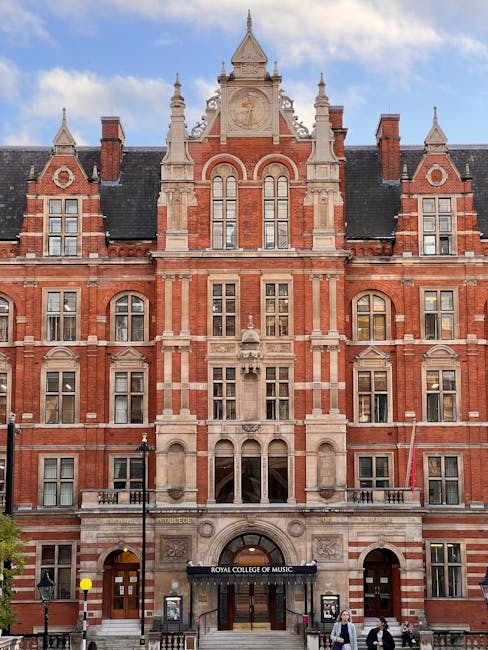
Moving as an Imperial College student can feel oddly intense for what is, on paper, a fairly small job. One minute you are packing books, lab notes and a kettle; the next you are trying to work out how to move a full room's worth of life through Exhibition Road without losing your patience. If that sounds familiar, you are in the right place. This guide to Exhibition Road student removals tips for Imperial College focuses on the practical stuff that actually matters: timing, access, packing, storage, transport, and how to avoid the usual last-minute chaos.
Whether you are leaving halls, switching flats, moving between terms, or helping a friend shift a sofa that looked smaller online, the aim is simple: make the move smoother, cheaper where possible, and far less stressful. Let's face it, student moves are rarely glamorous. But they do not have to be a mess either.
Why Exhibition Road student removals tips for Imperial College matters
Imperial College is not a typical suburban campus with easy parking and endless space for a van to hover for half an hour. Around Exhibition Road, you are dealing with a busy central London environment: narrow stretches, pedestrian flow, traffic pinch points, delivery windows, and the general unpredictability that comes with moving in a dense city. That is exactly why good planning matters more here than in many other student moves.
A move that seems tiny on paper can still go sideways if you forget one awkward reality: access is everything. A wardrobe may not be heavy, but it becomes a problem if it will not fit through a stairwell, down a lift, or into a vehicle parked five minutes away. Truth be told, most moving stress is caused by logistics rather than volume.
These tips matter because student removals are usually time-sensitive. You may need to vacate by a specific handover time, collect keys from another address, or fit a move into a narrow gap between exams, work shifts, and train tickets. If you are moving to or from accommodation near Imperial, a little structure goes a long way. It can save money, reduce damage, and stop that awful "where is my charger?" feeling at 11 p.m. on moving day.
There is also the local factor. Exhibition Road sits close to major institutions, busy streets, and controlled parking areas. That means even a small removal can benefit from more careful planning than people expect. A calm, well-timed move is not just nicer; it is often faster and cheaper too.
How Exhibition Road student removals tips for Imperial College works
The process is simpler than many students think, but it works best when you break it into stages. First, you assess what is actually going. Then you decide whether you can manage it yourself, need a van, or would be better combining removals with storage. After that comes the practical bit: packing, labelling, timing, and transport.
For students around Imperial, a typical move may involve one of four patterns:
- moving out of halls at the end of term
- moving between shared flats during the academic year
- storing belongings over summer and returning later
- making a short local move to another South Kensington or London address
Each of those has slightly different needs. A halls move may be light but time-pressured. A flat move may involve furniture, awkward corners, and a long list of small items that somehow multiply overnight. A summer storage move often needs split timing, where some belongings go into storage and others travel home.
The best approach is usually not the biggest one. It is the most suitable one. Sometimes that means a student storage arrangement for extra boxes and seasonal items. Sometimes it means a compact vehicle solution such as man and van support for a small load. And sometimes a bigger move is needed, especially if you are shifting furniture, appliances, or multiple rooms' worth of belongings.
If you are moving from one student property to another and storing half your life in the middle, a combined approach can be especially useful. Services such as removals and storage are often the most sensible middle ground. Not flashy. Just practical.
Key benefits and practical advantages
Good student removals planning around Exhibition Road is not just about reducing stress. It can improve almost every part of the move. Here are the most useful benefits, in plain English.
- Less waste of time: if boxes are packed properly and access is planned, the move is quicker end to end.
- Lower risk of damage: careful packing and better lifting methods protect laptops, books, monitors, kitchenware, and furniture.
- Better use of budget: when you know what needs moving, you avoid paying for extra space or an extra journey you did not need.
- Less stress on the day: clear labelling and a simple plan stop the "what goes first?" scramble.
- More flexibility: if your tenancy dates do not match up neatly, storage gives you breathing room.
There is another advantage students often overlook: the move becomes easier to coordinate with college commitments. A well-organised move can be done in a morning, leaving you free for everything else. That matters when your day already includes admin, travel, and maybe an exam resit you would rather not think about. Been there, regretted that.
For heavier items, choosing the right support matters a lot. A proper removal option such as small removals can be more efficient than trying to cram everything into taxis or borrowing a friend's tiny hatchback. And if you are shifting a bed frame, desk, or a couple of chairs, furniture storage can be a smart bridge between accommodation changes.
Who this is for and when it makes sense
This topic is most useful for Imperial students who need to move belongings efficiently around South Kensington or beyond. That includes undergraduates, postgraduates, exchange students, Erasmus visitors, and students in shared houses who are trying to synchronise several different move-out dates. It also helps international students who may be arriving with too much luggage or leaving with more than they expected.
You will probably benefit from these tips if you are:
- moving out of halls at the end of term
- changing flats near Exhibition Road or South Kensington
- going home for the summer and want to store some items locally
- moving into a furnished property but still have more boxes than expected
- sharing a vehicle or removal service with friends to cut costs
- moving at short notice because tenancy dates changed
It also makes sense if you are not a full DIY mover but do not need a large-scale removals operation either. Many students fall into that middle category. You do not need a giant truck. But you do need proper planning, sensible packing, and a realistic idea of what can be carried by hand.
Sometimes the trigger is a practical one: the lift is too small, the stairwell too tight, or your collection of boxes has become, frankly, a bit ridiculous. Other times it is about timing. The move has to happen between a lab session and a train. In those moments, a straightforward approach is worth its weight in gold.
Step-by-step guidance
Here is a simple, field-tested way to handle a student move near Imperial without making it feel like a military operation.
1. Start with a ruthless sort-out
Before you pack a single mug, decide what is actually worth moving. Students often carry far more than they need. If something is broken, unused, or available cheaply at the other end, be honest about it. Do you really need six notebooks from first year? Probably not. Maybe one, for sentimental reasons. Maybe.
2. Measure awkward items
Check the dimensions of anything bulky: desks, mirrors, bedding, mini-fridges, bikes, and flat-pack furniture. Measure doorways and stair bends too. This saves the classic "it looked fine in the room" problem. A few centimetres can make all the difference.
3. Match the move to the load
If you have a small number of boxes, a light vehicle solution may be enough. If you have several large items or need help loading, a more organised removals service may suit you better. A flat removals service can be useful when student accommodation has more furniture than you first expected, while local removals is often ideal for short-distance moves around London.
4. Pack by category, not by mood
Keep similar things together: books with books, kitchenware with kitchenware, cables in one clearly labelled bag, and documents somewhere safe and dry. The goal is not just to pack things away. It is to be able to find them again without unpacking everything like a scene from a low-budget detective drama.
5. Label in a way future-you will understand
Use labels that tell you both the room and the contents. For example: "kitchen - mugs and pans" is far more useful than "box 4". Add fragile markings where needed, but do not assume labels alone will protect fragile items. They help handling; they do not do the wrapping for you.
6. Protect the high-risk items
Laptops, tablets, headphones, lab equipment, and chargers should travel with you if at all possible. If that is not realistic, pack them carefully in one clearly separate box. If anything is delicate or unusually valuable, use proper wrapping, cushion the gaps, and do not put heavy items on top.
7. Build in time for access and traffic
Near Exhibition Road, timing matters more than people think. Early morning can be calmer, but not always practical. Late afternoon can be busier. A realistic time window makes the whole day less annoying. If you have a collection or delivery slot, protect it like it matters, because it does.
8. Have a backup plan
If your new place is not ready, or your keys are delayed, you need a fallback. That may mean short-term storage, a temporary room, or a later collection time. Having one backup option is a lot better than standing on the pavement wondering what happened to your plan.
Expert tips for better results
Over the years, the moves that run smoothly usually share a few traits. Nothing dramatic. Just sensible habits done consistently.
- Keep one "first night" bag: include charger, toothbrush, medication, a change of clothes, ID, and anything you will want immediately.
- Use smaller boxes for books: books are deceptively heavy. Large boxes become impossible to lift properly.
- Wrap cables together: cable chaos is real. Use reusable ties or even a simple label-and-bag system.
- Photograph furniture before dismantling: a quick phone photo can save ages later when you cannot remember which bolt went where.
- Leave a clear path: the cleaner the route from room to exit, the less likely something gets scratched or knocked.
- Confirm the destination access: check whether the new building has stairs, a lift, or loading restrictions before moving day.
One small but genuinely useful tip: keep snacks and water close by. It sounds almost too obvious to mention, but by late morning, a move can go from "fine" to "why is everyone suddenly irritated?" very quickly. Food helps. So does a five-minute pause now and then.
If you are choosing a broader moving package, comparing related services can help. For example, removals may suit a fuller move, while packing services can save time if your timetable is already packed solid. And yes, that pun was absolutely intentional. Sorry, not sorry.
Common mistakes to avoid
The biggest mistakes are rarely complicated. They are usually the obvious things people assume will sort themselves out. They won't.
- Leaving packing until the night before: this nearly always causes damage, missing items, and unnecessary stress.
- Using oversized boxes for heavy items: this makes lifting risky and increases the chance of boxes splitting open.
- Ignoring access restrictions: a move can be delayed because the vehicle cannot park close enough or the route is more awkward than expected.
- Forgetting about disposal: old bedding, broken chairs, and duplicate kitchen items need a plan too.
- Not checking tenancy dates carefully: a one-day overlap or gap can create avoidable costs.
- Assuming storage is only for big moves: even one or two awkward suitcases can be worth storing temporarily if timings do not line up.
Another common slip-up is underestimating how long the final tidy-up takes. People think packing is the big job, then realise the real time sink is the final sweep, fridge wipe, keys, and paperwork. Annoying, yes. But manageable if you plan it in.
If you know your move will be mixed with storage, a safer solution may be short-term storage rather than trying to keep everything with friends or in a crowded bedroom. For larger items you want protected between tenancies, secure storage gives a little more peace of mind.
Tools, resources and recommendations
You do not need a mountain of equipment for a student move, but a small kit makes things easier straight away.
| Item | Why it helps | Best used for |
|---|---|---|
| Strong cardboard boxes | Safer stacking and easier lifting | Books, clothes, kitchen items |
| Bubble wrap or paper | Protects fragile belongings | Glass, mugs, small electronics |
| Marker pens and labels | Keeps boxes organised | Room labels, contents notes |
| Reusable straps or tape | Helps secure lids and bundles | Boxes, bedding, cables |
| Blanket or protective wrap | Reduces scratches on furniture | Tables, shelves, mirrors |
It is also worth thinking about where your items should live after the move. If you are not ready to take everything in one go, services like mobile self storage can be useful when you want a more flexible handover, while self storage is often the straightforward option for keeping non-urgent items nearby.
For students with seasonal needs, long-term storage may be the better fit. If you only need a few weeks between tenancies, do not overpay for a solution you do not actually need. The right tool for the right job. Simple, really.
You should also review service details before you book anything. Pages such as pricing and quotes, insurance and safety, and terms and conditions are worth checking carefully so you understand what is included. That little bit of reading can save a lot of awkwardness later.
Law, compliance, standards, or best practice
For student removals around Imperial College, the main compliance concerns are usually practical rather than complicated legal disputes. Still, there are some important best-practice points worth keeping in mind.
First, parking, loading, and access in central London can be restricted. If a move involves a van stopping near Exhibition Road or nearby streets, it is sensible to check local parking rules, collection windows, and building access arrangements well in advance. In a busy part of London, a small planning mistake can snowball into a long delay.
Second, safety matters. Boxes should not be packed so heavily that someone gets hurt lifting them. Fragile goods should be protected properly. Stairs, corridors, and shared entrances should be kept clear. This is basic common sense, but that does not make it any less important.
Third, if you are using a storage or removals provider, look for clear information on insurance, security, handling standards, and complaint processes. Transparent service terms matter. You want to know how items are protected, what happens if plans change, and how payment works. A decent provider should make this easy to understand, not hide it behind jargon.
For anyone concerned about responsible disposal, recycling and reuse are worth considering. Not everything has to go in the bin just because you are moving. See if items can be donated, reused, or stored for later. A little effort here reduces waste and makes the move feel cleaner in every sense.
Useful service pages to review before booking include health and safety policy, recycling and sustainability, and payment and security. They can help you judge whether the service feels organised and trustworthy.
Options, methods, or comparison table
Choosing the right move method depends on how much you have, how far you are going, and how much help you need. Here is a simple comparison to make the decision less fuzzy.
| Option | Best for | Advantages | Watch-outs |
|---|---|---|---|
| DIY with a car or taxi | Very small loads, a few bags or boxes | Cheap and flexible | Poor for bulky items, multiple trips, bad weather |
| Man and van | Small to medium student loads | Good balance of cost and help | Access and parking need planning |
| Small removals | Furniture, several boxes, awkward access | More support for loading and handling | May cost more than DIY |
| Removals and storage | Gap between tenancies, summer storage, flexible timelines | Very practical when dates do not align | Requires planning ahead |
In practice, many Imperial students find that a hybrid approach works best. For example, they might keep essentials with them, store non-urgent items, and use a short move service for the heavier pieces. That is usually more realistic than trying to make one solution do everything.
If you are also moving a few office-style items for study or placement work, a broader service like office removals may sound odd at first, but the same handling principles apply to desks, monitors, printers, and paperwork. If you are relocating a whole room's worth of bits, the categories blur surprisingly fast.
Case study or real-world example
Here is a realistic example based on the sort of move that comes up again and again near Imperial. A postgraduate student is leaving a flat near South Kensington at the end of term. They have a desk, bedding, a few kitchen boxes, a bike, and a laptop they do not want out of sight for long. Their new place will not be ready for two weeks, so they need a temporary solution.
Instead of trying to do everything in one chaotic afternoon, they split the move into parts. The laptop, passport, charger, and a few essentials stay with them. Fragile kitchenware is packed carefully in labelled boxes. The bike and desk go in a vehicle with proper support. The rest is placed into short-term storage until the new flat is ready.
What made the difference? Three things: they packed early, they measured the furniture before the move, and they did not assume the handover timings would be perfect. A pretty ordinary plan, really, but it worked because it matched the reality of the situation rather than the ideal version.
That is the pattern worth copying. Not perfection. Just enough control that moving day does not take over your whole week.
Practical checklist
Use this checklist a few days before moving. It keeps the obvious things from slipping through the cracks.
- Confirm your move-out and move-in dates
- Check collection and access times for your building
- Measure large items and doorways
- Sort belongings into keep, store, donate, and discard
- Pack fragile items with proper padding
- Label every box clearly by room and contents
- Set aside documents, chargers, medication, and valuables
- Book transport or storage early if needed
- Review parking or access rules for the destination
- Prepare a first-night bag with essentials
- Take meter readings and photos if your tenancy requires them
- Leave enough time for cleaning and key handover
If you can tick those off, you are already ahead of most moving-day panic. That is not a small thing.
Conclusion
Moving as an Imperial College student near Exhibition Road is manageable when you approach it with a bit of structure and a realistic plan. The main challenges are usually access, timing, packing quality, and deciding whether to move, store, or split the load. Once those are handled, everything feels less chaotic. Not easy, exactly. Just much more controllable.
The best Exhibition Road student removals tips for Imperial College are the practical ones: sort early, pack smart, measure what matters, and choose a moving method that fits the actual load rather than the hoped-for one. If you do that, you will save time, reduce stress, and probably avoid at least one mildly dramatic box-related incident.
And if you are still weighing up storage, transport, or a mixed solution, it helps to compare your options calmly before the pressure kicks in. A few minutes of planning now can make the whole move feel lighter later. That is the real win.
Get a free quote today and see how much you can save.
When the boxes are stacked, the keys are handed over, and the last lamp has finally made it through the door, you will be glad you kept things simple. A smooth move is a good feeling. Properly good.
Frequently Asked Questions
What is the best way to move student belongings near Imperial College?
The best approach depends on how much you have and how quickly you need to move. For a small load, a man and van or local removals option may be enough. For larger or staggered moves, storage can make the process much easier.
How far in advance should I book student removals for Exhibition Road?
As early as you can, especially during busy end-of-term periods. Even a short move can become stressful if you leave booking until the last minute and then discover access or timing issues.
Do I need storage if I am only moving for the summer?
Not always, but it is often useful if your tenancy dates do not line up or you do not want to transport everything home. Short-term or long-term storage can be a practical bridge between student lets.
What should I pack separately on moving day?
Keep chargers, medication, valuables, travel documents, a change of clothes, and any important college paperwork with you. Treat that bag as non-negotiable.
How can I reduce the cost of a student move?
Declutter before packing, use the right size boxes, avoid unnecessary trips, and choose a service that fits the real size of your load. Paying for too much space or time is usually what pushes the cost up.
Is it better to use small removals or a man and van?
If you only have a few items and can help load, a man and van can work well. If you have more furniture, awkward access, or need extra handling support, small removals may be the better fit.
What if my new accommodation is not ready yet?
That is exactly when storage becomes useful. It gives you a buffer so you are not stuck between addresses with nowhere sensible to put your belongings.
How should I pack fragile items for a student move?
Wrap them individually, fill empty space in the box, and keep heavy items away from fragile ones. Do not overpack. A box that looks neat but is too heavy is still a problem.
Can I move everything myself to save money?
Sometimes, yes, if the load is light and access is simple. But once you add furniture, stairs, time pressure, or storage needs, a bit of help can actually be the more efficient choice.
What should I check before booking any removals or storage service?
Check the service details, payment terms, insurance and safety information, and what happens if your plans change. Clear terms matter more than shiny promises.
Are there any special access issues around Exhibition Road I should think about?
Yes. Central London moves can involve traffic, loading restrictions, and busy pedestrian areas. It is wise to plan your collection and delivery times carefully and allow a bit of buffer.
What is the biggest mistake students make when moving?
Leaving everything too late. Packing, booking, and access planning all take longer than people expect. A little early preparation usually saves a lot of trouble later.